Caisse des Dépôts

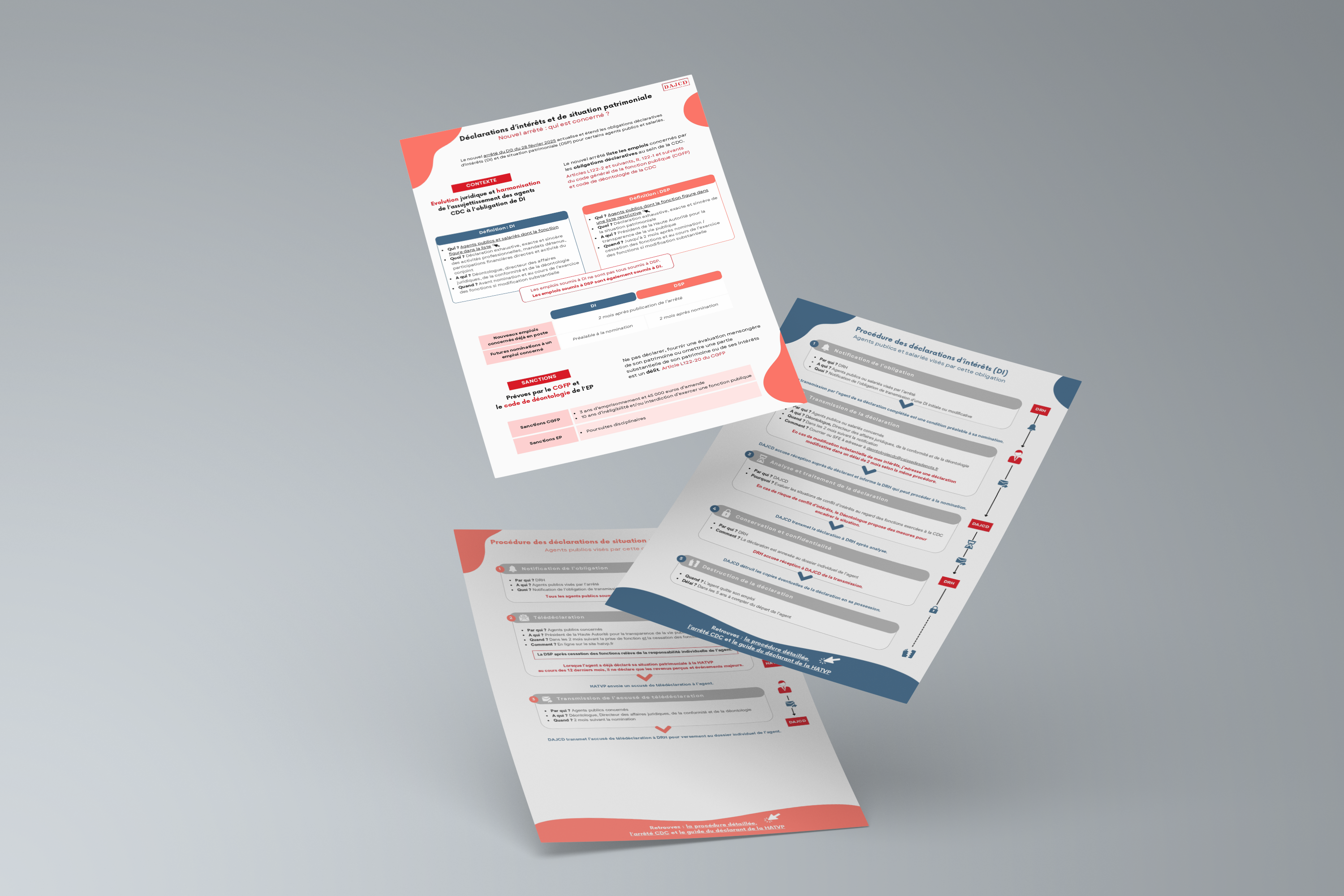
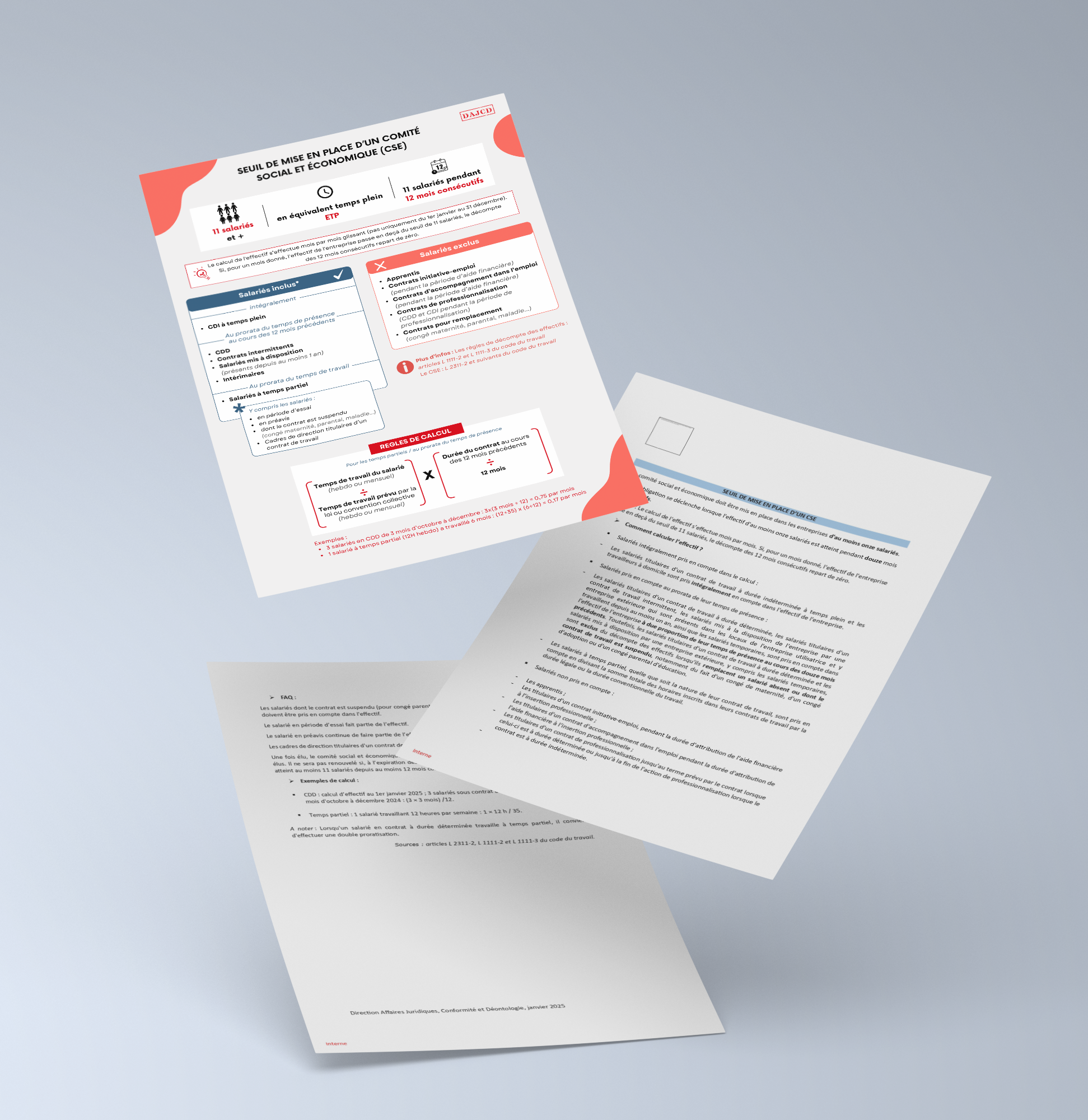
Design of practical guides specialized in law

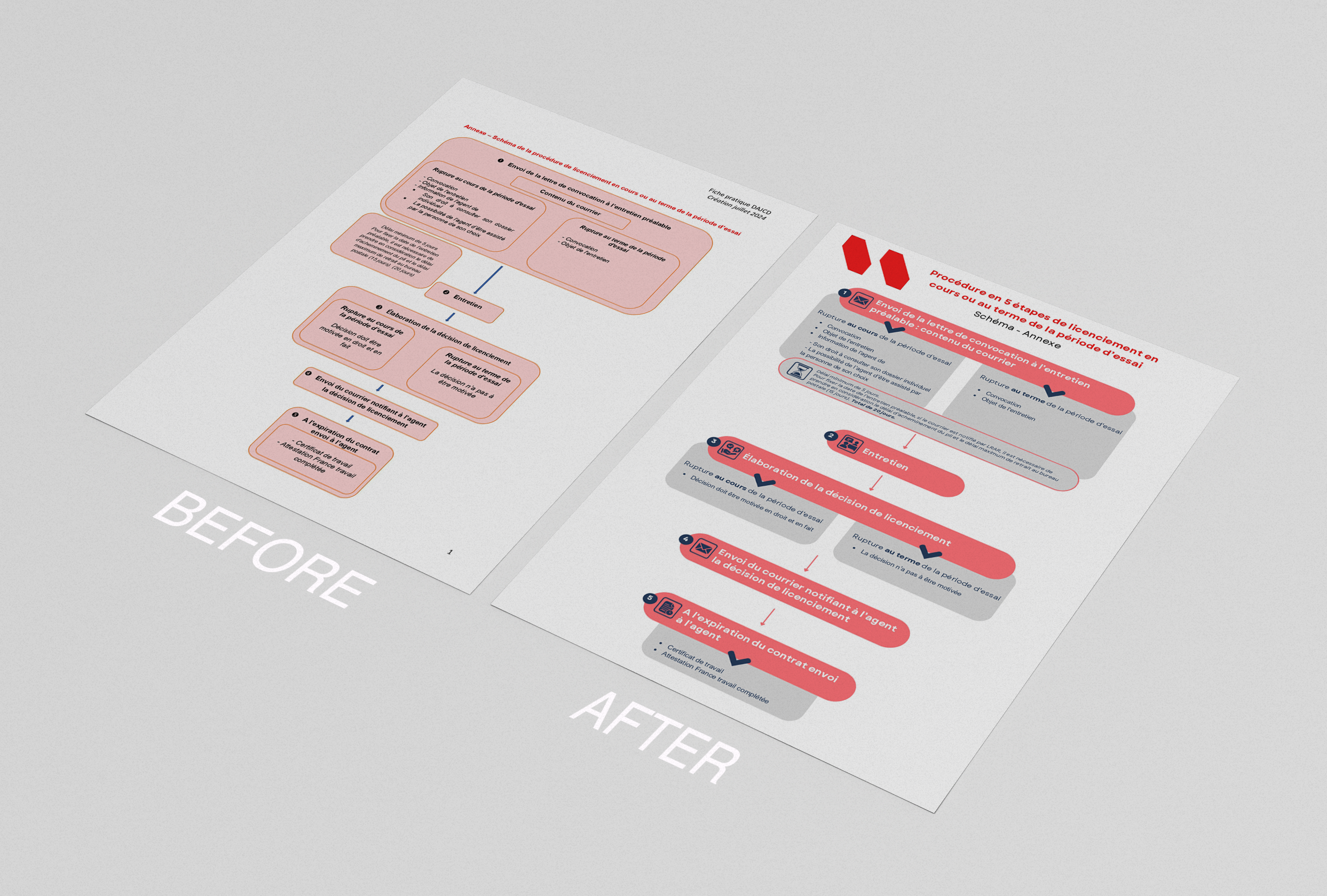
Legal design is about making law clearer and more accessible by combining law, design, and communication. It aims to simplify legal documents using plain language and visuals to better inform and support users.

#legal design

Learn more

Legal design is an interdisciplinary approach that aims to transform the way law is communicated, understood, and used. Based on the principles of design thinking, it places the user at the center of legal reflection to create tools (contracts, terms and conditions, policies, procedures…) that are clear, accessible, and engaging.

In practice, this means rethinking both the form and content of legal documents: using plain language, structuring information logically, adding visuals, icons, diagrams, or colors, and adapting to the medium (paper, web, mobile). The goal is not to simplify the law itself, but to make it understandable and usable by everyone — whether they are clients, citizens, employees, or partners.

Legal design is used in various fields, such as compliance, justice, business law, and labor law. It improves user experience, builds trust, and ensures greater legal effectiveness.
Caisse des Dépôts

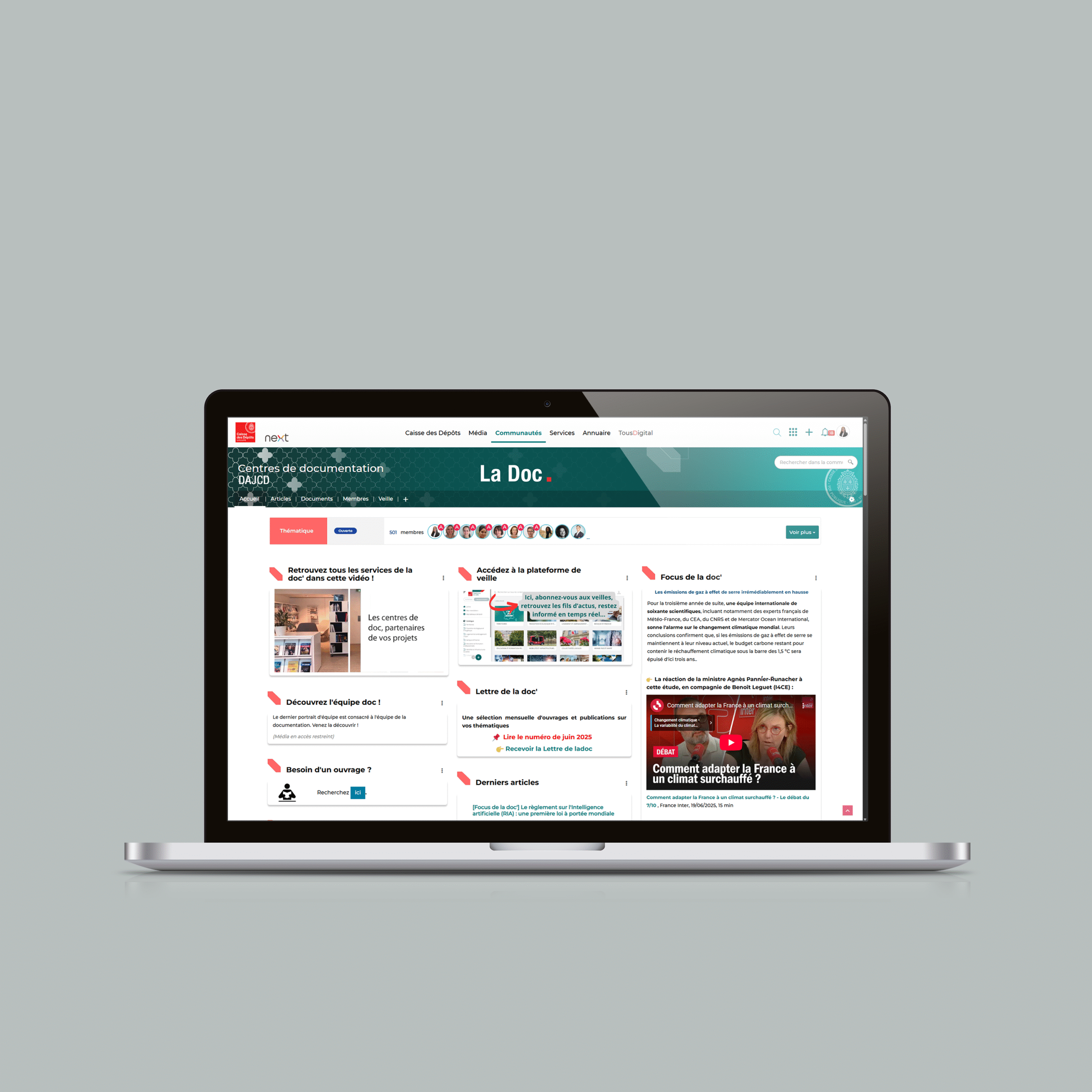
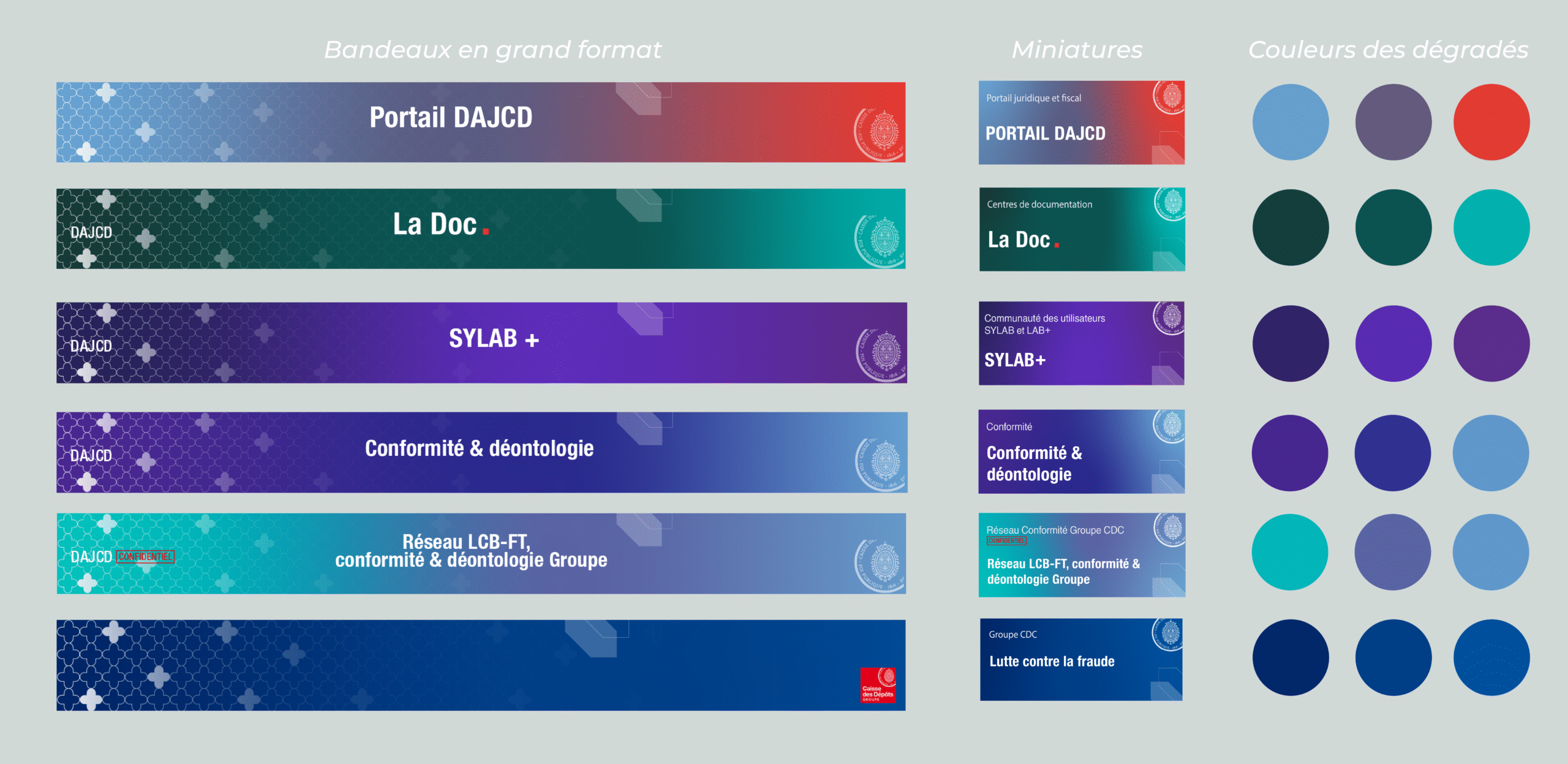
Visual identity specifically designed for internal use

The graphic design focuses on visual elements to enhance the internal web platforms. It is essential to strictly follow the company’s existing visual identity guidelines. Due to confidentiality, only selected design elements will be shared, not the full projects.

#visual identity

Learn more

Legal design is an interdisciplinary approach that aims to transform the way law is communicated, understood, and used. Based on the principles of design thinking, it places the user at the center of legal reflection to create tools (contracts, terms and conditions, policies, procedures…) that are clear, accessible, and engaging.

In practice, this means rethinking both the form and content of legal documents: using plain language, structuring information logically, adding visuals, icons, diagrams, or colors, and adapting to the medium (paper, web, mobile). The goal is not to simplify the law itself, but to make it understandable and usable by everyone — whether they are clients, citizens, employees, or partners.

Legal design is used in various fields, such as compliance, justice, business law, and labor law. It improves user experience, builds trust, and ensures greater legal effectiveness.